
Design has always shaped the way a space looks.
Today, it shapes the way a space feels.
In recent years, the conversation around interiors has shifted. A room is no longer defined solely by style—modern, traditional, minimal. Instead, it is increasingly guided by mood. Calm. Restorative. Grounded. Energizing. Reflective.
Calm. Restorative. Grounded. Energizing. Reflective.
The question is no longer What does this space look like?
It is How does this space allow life to unfold within it?
Mood-driven design is not a passing movement. It reflects how people want to live.
Beyond Aesthetics: Designing for Emotional Experience
Every material, silhouette, and finish carries emotional weight.
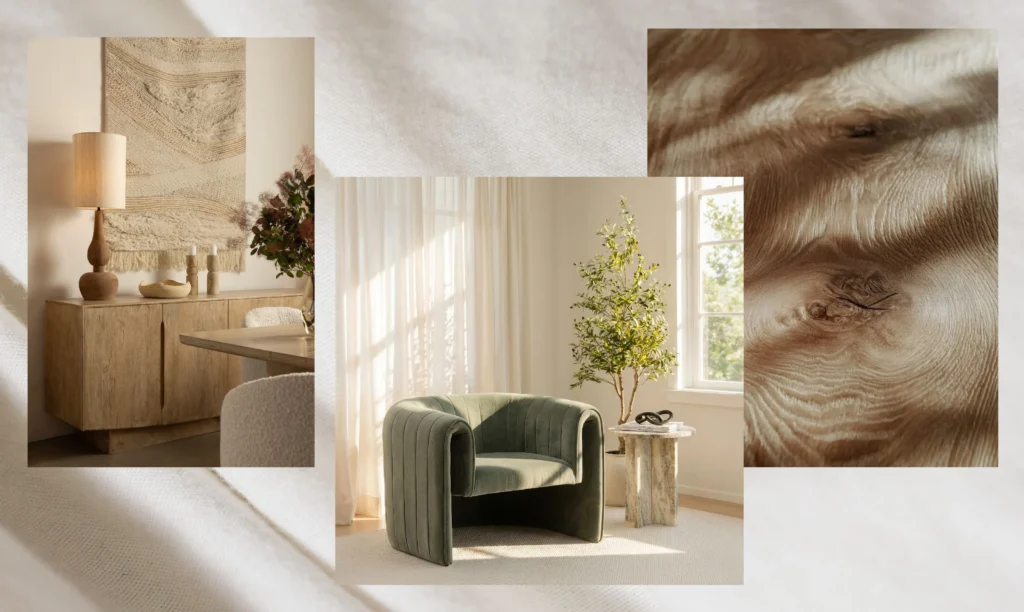
Rich wood tones create warmth and stability.
Soft, layered upholstery offers ease and comfort.
Sculptural forms introduce movement and creative energy.
Airy palettes invite clarity and openness.
When thoughtfully curated, these elements do more than furnish a room. They establish emotional rhythm. They influence how mornings begin, how evenings unwind, how gatherings feel, and how solitude restores.
A dining table is not simply a surface. It can feel grounding and substantial, encouraging lingering conversation.
A bedroom collection can feel like a retreat, shaping the quality of rest and quiet.
A living space can stimulate connection or invite a deep exhale.
Design becomes emotional architecture.
How Mood Shapes Function
One of the most compelling shifts in design today is the understanding that mood and function are inseparable.
The emotional tone of a space directly informs how it is used.
A calm, tonal bedroom encourages slower evenings and more intentional rest.
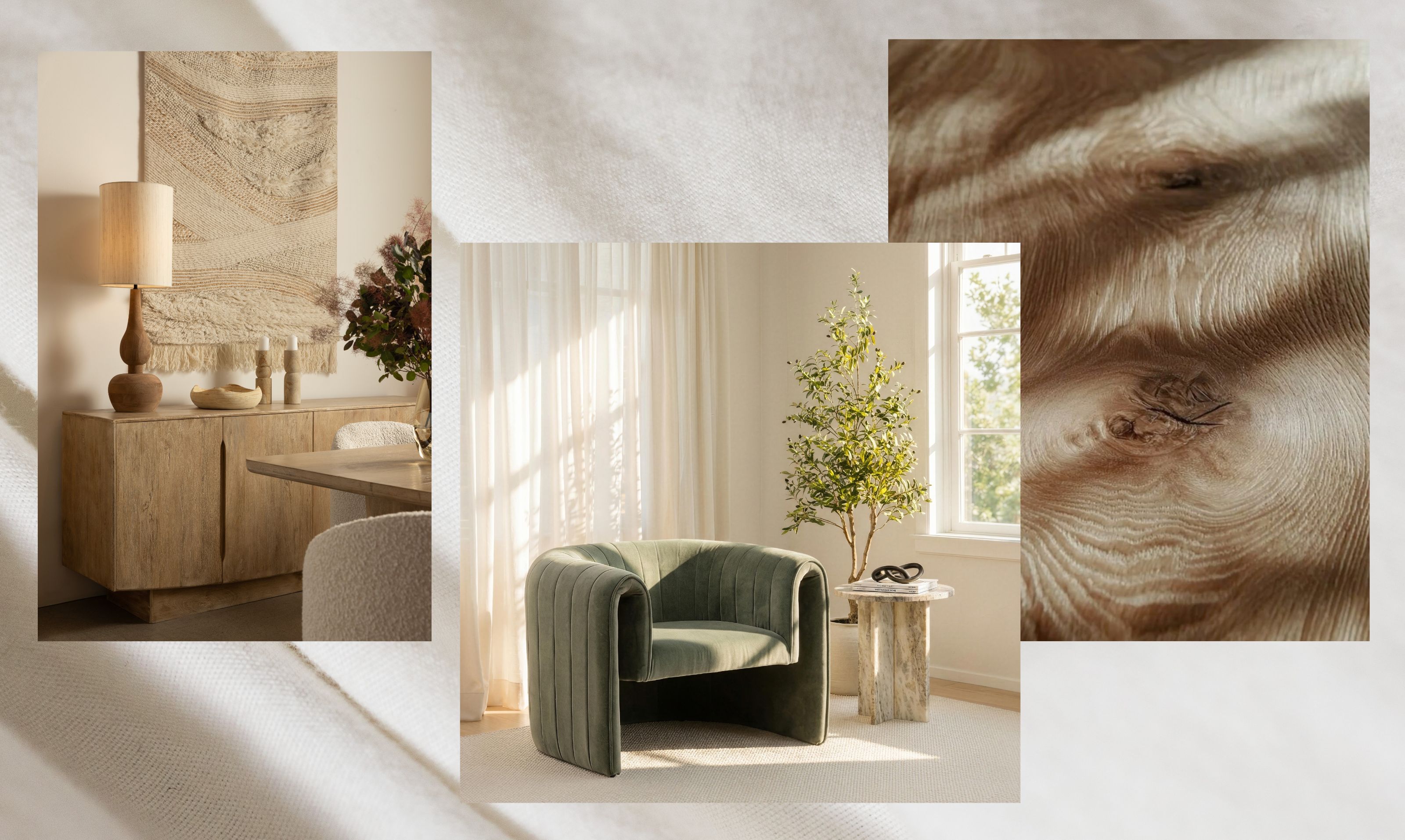
A light-filled dining space fosters gathering and extended meals.
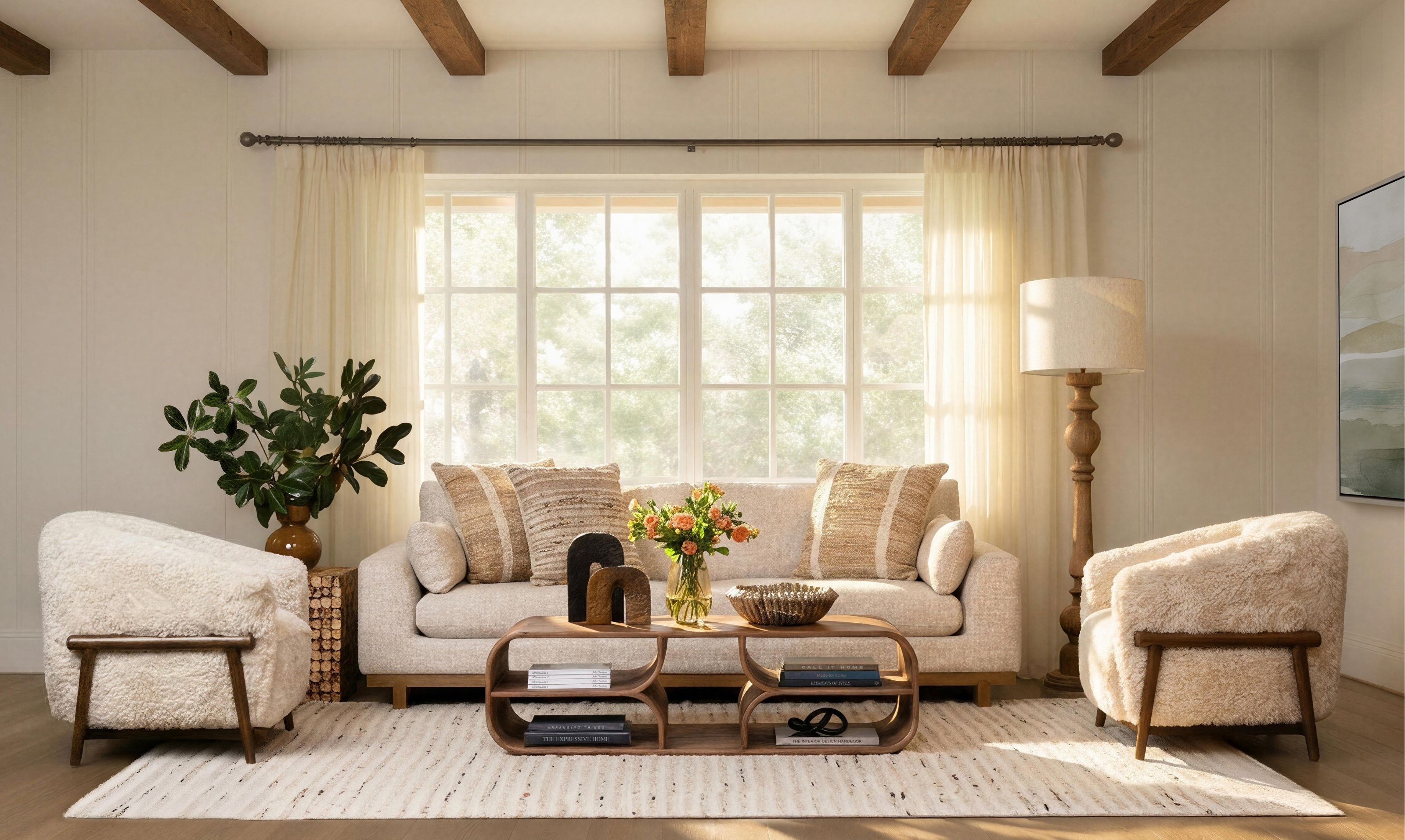
A layered, textural living room signals comfort, inviting conversations, reading, and reflection.
When a space feels aligned with the desired emotional experience, it naturally supports the way life unfolds within it. Layout decisions become more intuitive. Storage feels purposeful rather than concealed. Seating arrangements encourage connection. Lighting softens or energizes depending on the atmosphere being created
Mood influences movement.
Mood influences routine.
Mood influences how fully a space is lived in.
Design for the Way Life Is Lived
Today’s interiors are asked to do more. Spaces must recharge as much as they perform. They must adapt, evolve, and restore.
The rise of mood-driven design reflects a deeper desire:
- To slow down
- To reconnect
- To create environments that support well-being
This perspective extends beyond a single room. It shapes entire collections. Pieces are selected not only for visual harmony, but for the atmosphere they create together. Texture, proportion, materiality, and finish work in quiet conversation.
For retailers, this shift also invites a more intentional way of merchandising. Rather than organizing collections by category alone, showrooms can be curated by emotional effect. A vignette becomes more than a product display. It becomes an environment clients can step into and immediately understand. When a space communicates a clear mood, it simplifies decision making and connects furniture to lifestyle in a tangible way.
Designers and retailers alike are recognizing that clients are seeking more than furnishings. They are seeking spaces that feel aligned with the way they live and the way they want to live.
Mood is no longer an afterthought. It is a framework.
Looking Ahead
As the design landscape continues to evolve, mood is becoming a defining framework for how collections are conceived and how spaces are curated.
At Dovetail, this perspective is not a reaction to trend cycles. It is an intentional approach to design. Each collection is developed with an understanding that materials, finishes, and forms must do more than complement one another. They must create atmosphere. They must support rhythm. They must reflect how people want to live, recharge, gather, and retreat.
Because enduring spaces are not defined by style alone.
They are defined by how thoughtfully they hold life within them.